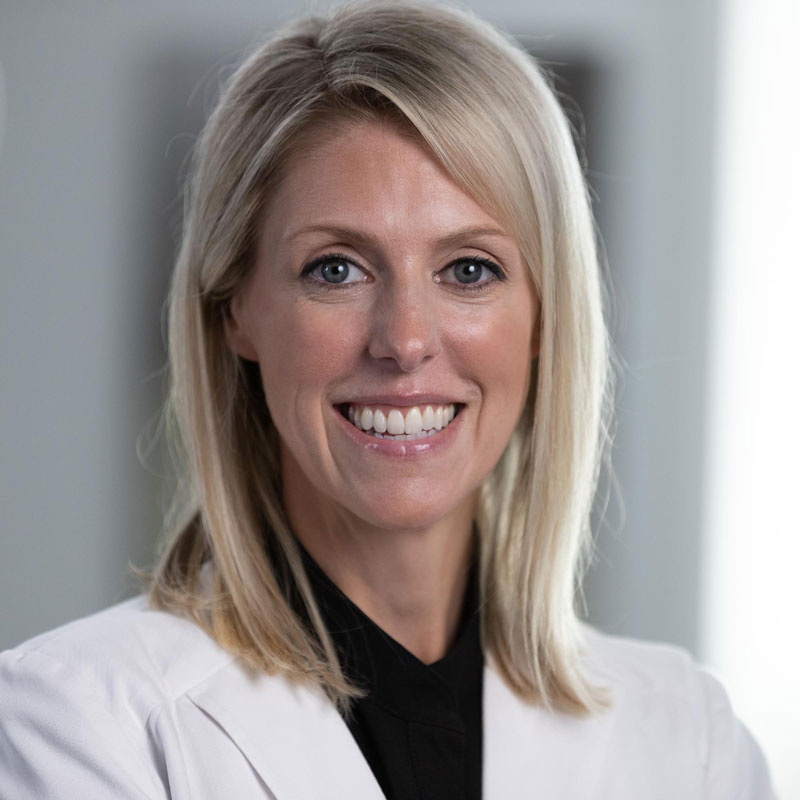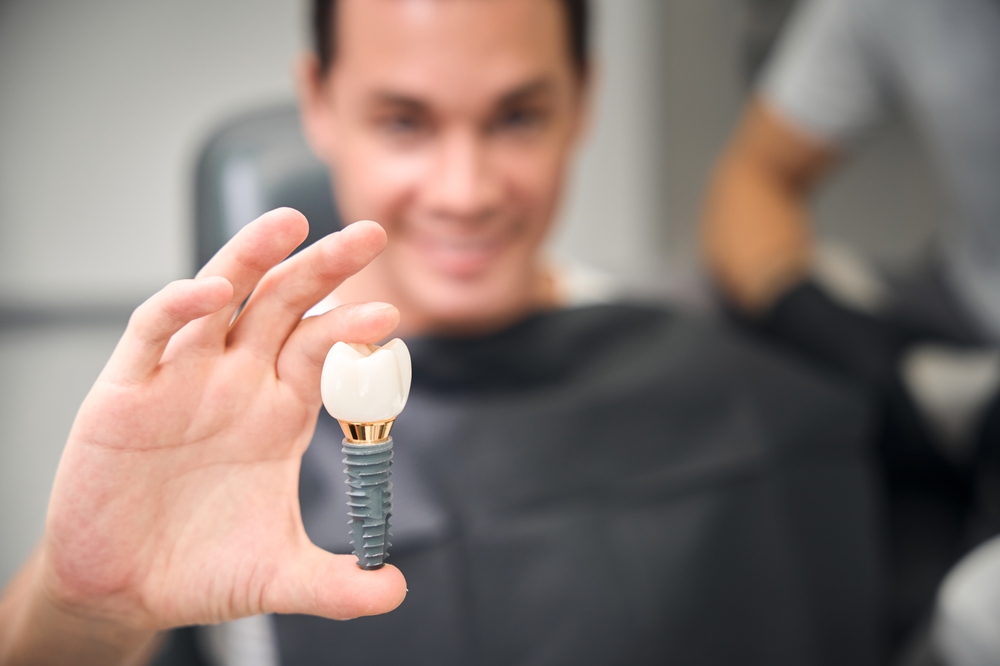
When it comes to dental health, replacing or reinforcing bone structure is crucial for a successful dental implant. This is where dental graft materials like allografts and xenografts come into play. At Anderson Periodontal, led by Dr. Lauren Anderson, a holistic and biological periodontist, we understand the importance of choosing the right graft material tailored to your unique needs.
Introduction to Dental Grafts
Dental grafts are a foundational aspect of restorative dentistry, ensuring that patients achieve optimal outcomes when undergoing procedures like dental implants. They serve to replace or encourage the growth of new bone tissue, providing enhanced support where it’s needed most.
-
The Importance of Grafting in Dentistry: Proper grafting ensures that dental implants have a firm base for integration, leading to long-lasting success.
-
Dr. Lauren Anderson’s Holistic Approach: Emphasizing a patient-first approach, Dr. Anderson evaluates each patient’s overall health and needs, integrating holistic practices.
Understanding Allografts
Allografts are derived from human donors and are utilized in procedures where natural bone regeneration is essential. They are meticulously processed and sterilized to ensure safety and compatibility.
-
What Are Allografts? These are bone grafts sourced from a human donor.
-
Pros and Cons of Allografts: They are readily available and integrate well with the patient’s bone, but may carry a risk of disease transmission, despite rigorous screening.
-
Patient Experiences with Allografts: Many patients report successful integration and minimal complications when allografts are used for their procedures.
Exploring Xenografts
Xenografts are derived from animal sources, often bovine, and are a popular choice due to their structural compatibility with human bone.
-
What Are Xenografts? These are biologically treated animal-derived tissues that help in bone regeneration.
-
Pros and Cons of Xenografts: They are ample in supply and effective for bone regeneration, but there may be ethical or religious concerns for some patients.
-
Common Patient Scenarios: Xenografts are often used when a patient requires extensive bone augmentation or when other graft options aren’t viable.
Comparing Allograft vs. Xenograft
The choice between allograft and xenograft involves carefully weighing their respective benefits and potential drawbacks to determine which option best suits individual patient needs.
-
Material Compatibility and Healing: Both materials are designed to integrate with natural bone, though patient-specific factors can influence healing times.
-
Cost Considerations: While allografts might be slightly more costly due to sourcing and processing, they offer a more natural integration.
-
Influence on Long-term Outcomes: Both graft types can lead to successful long-term outcomes, but ongoing patient care and monitoring are essential to success.
How to Choose the Right Dental Graft
Choosing the right dental graft is a collaborative decision between the patient and the healthcare provider, emphasizing personalized care.
-
Individualized Evaluation Process: Dr. Anderson evaluates each patient thoroughly, considering health history, oral health status, and personal preferences.
-
Factors Influencing Your Choice: Genetic factors, lifestyle considerations, and long-term goals play a significant role in deciding which graft material to use.
-
Patient Testimonials: Our patients have found success with both graft types, often noting the personalized care and detailed planning that guided their decisions.
The Role of Biological Periodontistry
Biological periodontistry, as practiced by Dr. Anderson, employs natural methodologies to enhance traditional dental treatments.
-
What is Biological Periodontistry? It focuses on using biocompatible materials and methods to promote natural healing and minimize adverse reactions.
-
Benefits for Our Patients: Patients report quicker recovery times and fewer side effects, thanks to the integrative approach.
-
Harnessing Natural Healing Processes: Dr. Anderson leverages the body’s innate healing mechanisms to complement grafting procedures.
Anderson Periodontal: Our Distinctive Approach
At Anderson Periodontal, we pride ourselves on offering state-of-the-art treatment options paired with compassionate care.
-
Advanced Technology and Patient Comfort: Utilizing the latest in dental technology ensures precision and enhances patient comfort.
-
Specialist Care with Dr. Lauren Anderson: With specialized training, Dr. Anderson provides expert care tailored to each patient’s unique circumstances.
-
Comprehensive Treatment Planning: Our holistic treatment plans are designed with patient input, ensuring clear, personalized care pathways.
FAQs About Dental Grafts
-
What Are the Risks of Dental Grafts? While generally safe, there is a slight possibility of infection or rejection, mitigated by professional monitoring.
-
How Long Does Recovery Take? Recovery typically ranges from three to six months, varying based on individual healing responses and graft size.
-
Is One Option More Painful Than the Other? Pain management is similar with both, though individual pain tolerance and procedure specifics can influence experiences.
-
Do Lifestyle Factors Affect Success? Absolutely. Smoking, diet, and oral hygiene significantly impact the success of graft integration.
-
How Do I Prepare for a Dental Graft Procedure? Following Dr. Anderson’s tailored pre-op guidelines and maintaining overall health are key preparations.
Schedule a Consultation with Us
Considering a dental graft? Schedule a consultation with us at Anderson Periodontal. Dr. Lauren Anderson will guide you through every step, ensuring that your care aligns with your personal health goals and lifestyle. Contact us today to embark on your journey towards optimal dental health.