Can “Gum Grafting” Help Out With Sensitive Roots?
Tooth sensitivity can be frustrating and disruptive to daily life. If you feel sharp discomfort when drinking something cold, eating sweets, or even brushing your teeth, exposed root surfaces may be the cause. Unlike enamel, root surfaces are covered by cementum, a softer, more porous structure that does not provide the same level of protection. When gum recession exposes this “yellow” root surface, teeth often become reactive to temperature changes, touch, and sugar.
At Anderson Periodontal Wellness in Bloomfield Hills, MI, Dr. Lauren Anderson approaches sensitive roots through biologic periodontics, focusing on restoring lost tissue rather than simply masking symptoms. In many cases, gum grafting can significantly reduce — or even eliminate — root sensitivity by re-establishing a protective gum seal.
Real Patient Case: M.P.’s Sensitive Roots
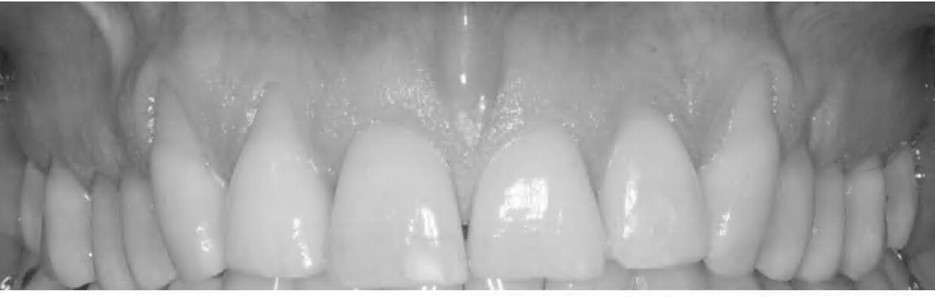
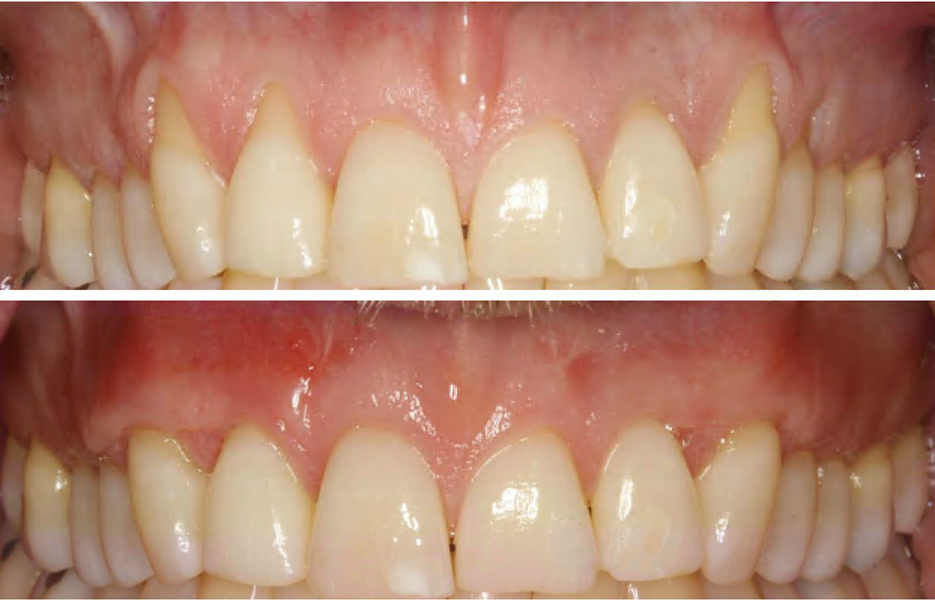
Meet M.P., who sought treatment with board-certified periodontist Dr. Lauren Anderson to address his root sensitivity. In his before photo, exposed cementum was clearly visible along the gumline. This exposed root surface was sensitive to cold temperatures, brushing, professional cleanings, and sugary foods.
Although not all exposed roots are symptomatic, many patients who pursue gum regeneration experience dramatic relief once coverage is restored. Gingival grafting aims to regenerate lost gum tissue, increase thickness, and return the tissue to a more anatomical or “normal” contour. By covering exposed roots, the procedure shields them from the mechanical and thermal triggers that cause discomfort.
In M.P.’s case, the results were both functional and aesthetic. At three months post-procedure, his roots were protected, his gumline appeared fuller and healthier, and most importantly, his cold sensitivity was resolved. M.P., his general dentist, and Dr. Anderson were extremely pleased with the outcome.
How Gum Grafting Reduces Root Sensitivity
When gum tissue recedes, microscopic tubules within the root surface become exposed. These tubules transmit temperature and tactile signals directly to the nerve inside the tooth. While desensitizing toothpastes may temporarily reduce symptoms, they do not correct the underlying structural issue.
Gum grafting works differently. By restoring a thicker band of attached tissue over the root, the procedure physically protects the exposed area from external stimuli. Once integrated, the graft becomes part of the natural gum structure, acting as a long-term barrier against cold, brushing forces, and chemical irritants.
In biologic periodontal therapy, emphasis is placed on preserving blood supply, minimizing surgical trauma, and supporting natural tissue regeneration. This approach enhances comfort during healing and improves the predictability of long-term results.
The Minimally Invasive Allograft Tunneling Technique
Specific to M.P.’s case, Dr. Anderson performed a minimally invasive tunneling procedure using an allograft product. Rather than harvesting tissue from the palate, the grafting material was custom selected and adapted to his unique anatomy. This approach eliminated the need for a second surgical site, improving comfort and recovery.
After two sterile water baths, the sterile collagen matrix (type I and III) was carefully inserted beneath the gum tissue through a small tunnel. The graft was then gently advanced to cover the exposed roots while preserving the tissue between the teeth. Because the tunneling technique maintains blood supply and avoids vertical incisions, healing is typically efficient and less traumatic compared to traditional methods.
Over the next several weeks, the graft integrated with surrounding tissue, creating a thicker, more resilient gumline. At the three-month mark, the improvement in root coverage and reduction in sensitivity was clearly visible.
Beyond Sensitivity: Additional Benefits of Gum Grafting
While sensitivity relief is often the primary motivation, gum grafting offers additional long-term benefits. Covering exposed roots reduces the risk of root decay, which is more common on softer cementum surfaces. Increased tissue thickness also improves resistance to future recession and enhances overall gum stability.
From an aesthetic standpoint, restoring a balanced gumline can make teeth appear less elongated and create a more youthful smile. For many patients, the improvement in appearance is just as meaningful as the reduction in discomfort.
By integrating minimally invasive surgery with biologic support such as PRF and ozone therapy when appropriate, Dr. Anderson prioritizes tissue compatibility, healing efficiency, and long-term resilience.
Are You a Candidate for Gum Grafting for Sensitive Teeth?
Not every case of sensitivity requires grafting, and not every exposed root is symptomatic. A comprehensive evaluation is essential to determine the underlying cause and whether gum regeneration is the most appropriate solution. Factors such as tissue thickness, extent of recession, bite forces, and overall periodontal health all influence treatment planning.
Dr. Lauren Anderson provides individualized consultations at Anderson Periodontal Wellness to assess candidacy for allograft tunneling procedures and other biologic gum recession treatments. Her board certification and advanced training in minimally invasive soft tissue techniques allow for highly predictable, patient-centered outcomes.
To schedule a consultation with Dr. Lauren Anderson in Bloomfield Hills, MI by calling (248) 480-4910. Restoring comfort, protecting exposed roots, and supporting long-term gum health may be closer than you think.