Gum disease Detroit, MI: what it is, why quick treatment matters, and biologic options you should know. If you live near Detroit and notice bleeding gums, bad breath, or loose teeth, this guide explains what to look for, how gum disease is diagnosed, and the modern biologic treatments available — from non‑surgical ozone and lasers to regenerative surgery and ceramic dental implants. Early care protects both your smile and your overall health.
What Is Gum Disease?
Gum disease starts as gingivitis — inflammation and bleeding of the gums. If untreated, it can progress to periodontitis, where pockets form, bone is lost, and teeth loosen. Gum disease Detroit, MI can affect more than your mouth; studies link advanced periodontitis to diabetes control and heart disease. Treating gum disease early helps prevent tooth loss and reduces risks to your general health.
Common Signs & Symptoms to Watch For
Everyday symptoms
Watch for bleeding when you brush or floss, persistent bad breath, gums that pull away from teeth, and teeth that feel loose. These signs often start slowly, so routine checks are important.
When symptoms mean urgent care
Seek prompt specialist care if you have severe pain, pus between teeth and gums, rapid tooth mobility, or sudden swelling. These red flags can mean an active infection that needs faster, advanced treatment.
Who’s at Higher Risk?
Smoking, uncontrolled diabetes, a family history of periodontitis, poor oral hygiene, and some medications raise risk. Local factors near Detroit, MI include limited access to specialty care or lifestyle stressors that make regular dental visits harder. Knowing your risk helps guide screening and preventive steps.
How Gum Disease Is Diagnosed
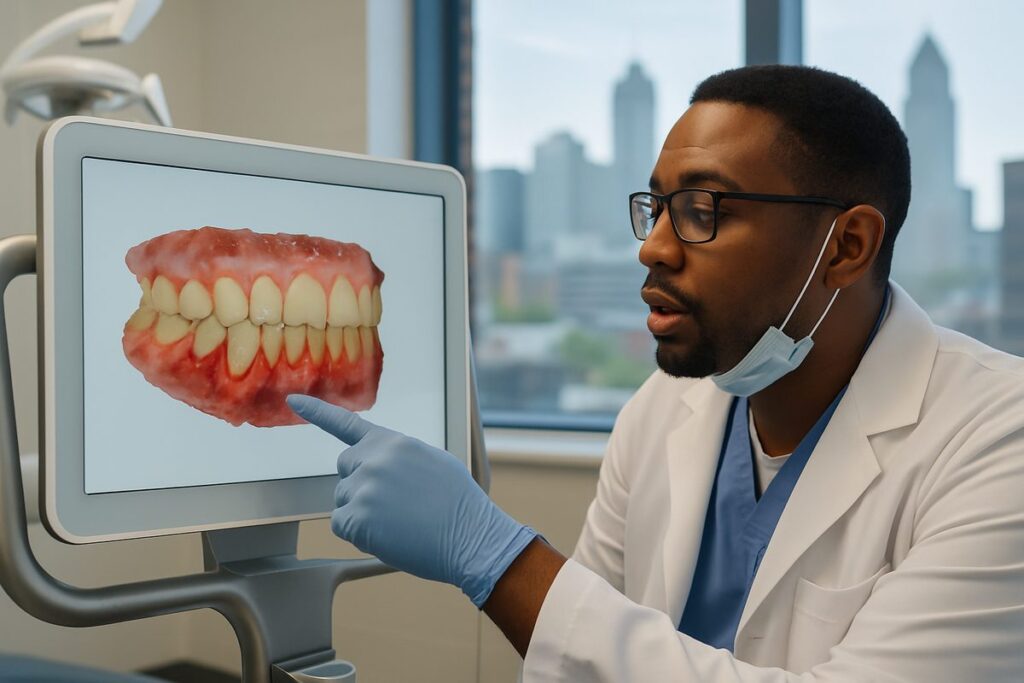
Diagnosis begins with a clinical exam and periodontal charting to measure pocket depths and attachment loss. Advanced tools matter: CBCT imaging provides 3D views of bone levels and cavitations, while digital intraoral scans document soft‑tissue changes and support precise treatment planning. An interdisciplinary review — coordinating with your physician for diabetes or heart concerns — is often part of thorough care.
Biologic Periodontics: Non‑Surgical Treatments
Scaling and root planing (deep cleaning) remains a cornerstone, often enhanced with biologic adjuncts. Ozone Gum Therapy sterilizes pockets and supports healing without toxins. Laser‑assisted periodontal therapy (using platforms like Fotona® or Waterlase®) gently removes diseased tissue and disinfects root surfaces, reducing bleeding and speeding recovery. These approaches aim to control infection while preserving tissue.
Biologic Periodontics: Surgical & Regenerative Options
When pockets or bone loss require surgery, minimally invasive laser periodontal surgery reduces trauma and accelerates healing. Regenerative tools like PRF (platelet‑rich fibrin) use your own growth factors to encourage soft tissue and bone repair. Biologic grafts (appropriate allografts or autografts paired with PRF) rebuild lost support. For chronic jawbone issues, conservative cavitation surgery and detox protocols can address persistent sources of infection. In complex healing cases, adjuncts such as hyperbaric oxygen therapy may be considered to improve tissue oxygenation and recovery.
When Teeth Can’t Be Saved — Replacement Options
If extraction is required, options include fixed bridges, removable prosthetics, or dental implants. For biologic and metal‑free solutions, ceramic (zirconia) dental implants are often recommended by biologic periodontists because they avoid metal in the body and integrate well with soft tissues. Ceramic implants can support single crowns or full‑arch restorations and are planned using CBCT and digital scans for optimal placement.
How Treatment Changes With Severity
Gingivitis typically needs improved home care and professional cleanings. Mild to moderate periodontitis may combine deep cleanings, ozone or laser therapy, and close monitoring. Advanced disease usually requires regenerative surgery, PRF, and possibly implant planning if teeth are lost. Recovery time and follow‑up scale with treatment intensity; maintenance visits and regular imaging help prevent recurrence.
Prevention & Home Care
Daily brushing with a soft brush, flossing, and an antiseptic mouth rinse lower bacterial load. Quit smoking, manage blood sugar if diabetic, and eat a nutrient‑dense diet to support healing. Regular professional cleanings and timely periodontal checkups are the best defense against progression.
Why Choose Biologic Periodontistry Near Detroit, MI?
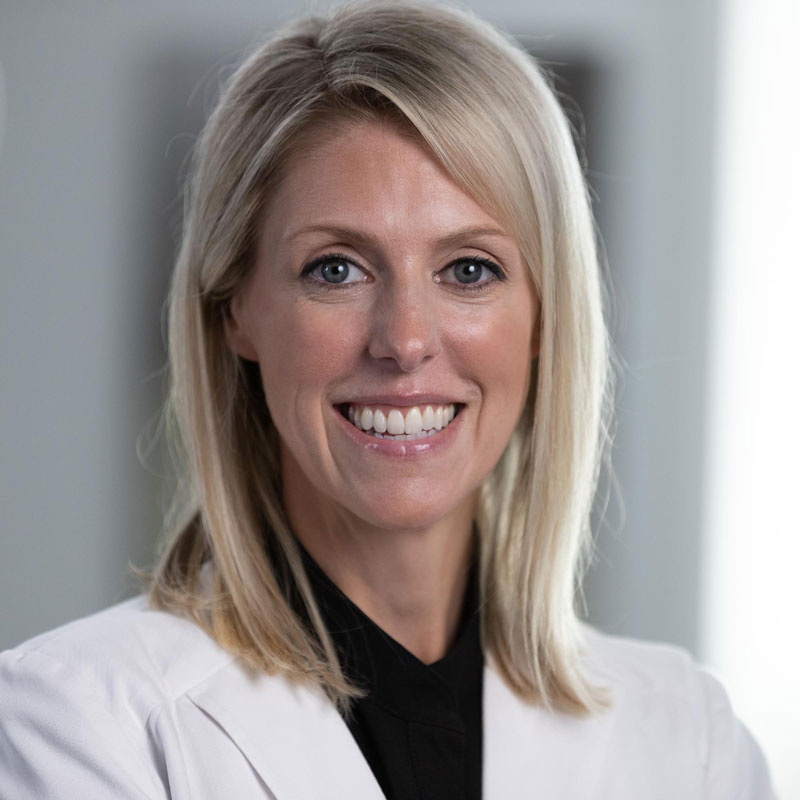
Dr. Lauren Anderson, DDS, MS is a board‑certified periodontist focused on biologic periodontal therapy and minimally invasive techniques. Anderson Periodontal Wellness, based in Bloomfield Hills, serves Metro Detroit with CBCT diagnostics, digital intraoral scanning, lasers, ozone therapy, PRF, and ceramic implant expertise. The practice emphasizes whole‑body wellness, using biologic materials and precision technology to support natural healing.
Next Steps: Finding Care for Gum Disease by Detroit, MI
At a consult you can expect a full exam, periodontal charting, and CBCT/digital scans when needed. Bring a list of medications, recent medical history (especially diabetes or heart issues), and questions about ozone, lasers, PRF, or ceramic implants. If you’re worried about gum disease Detroit, MI, schedule an evaluation to get a biologic treatment plan tailored to your health, goals, and long‑term stability. Contact Anderson Periodontal Wellness to discuss digital imaging and biologic options for your smile.