In today’s compassionate approach to dental care, biological tooth extractions have emerged as a preferred choice for patients seeking a natural and less invasive method for removing teeth. This approach, led by the talented Dr. Lauren Anderson at Anderson Periodontics, focuses not only on oral health but also on overall well-being. If you’re considering tooth extraction, understanding the biological method can help you make an informed choice that aligns with your health goals.
Why Choose Biological Tooth Extractions?
Biological tooth extractions align with the holistic philosophy, taking into account your entire health profile rather than just focusing on the mouth. One primary benefit is the minimization of potential complications. Using natural materials and methods reduces the likelihood of allergic reactions or infections, common risks in conventional procedures.
This approach also emphasizes preserving the structure of your mouth and jaw. With Dr. Anderson’s expertise, biological extractions are performed in a manner that supports optimal healing and prepares the site effectively for future procedures like dental implants. Patients often appreciate the use of biocompatible materials and treatments encouraging natural healing processes, such as platelet-rich fibrin (PRF), which enhances the body’s healing capacity.
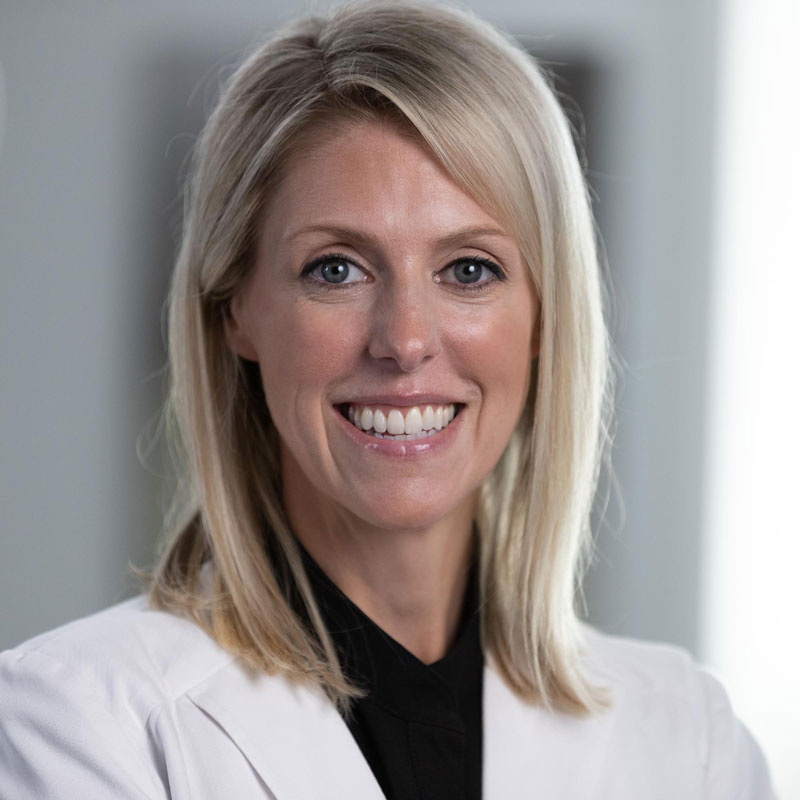
Dr. Lauren Anderson’s Expertise
Dr. Lauren Anderson has dedicated her career to advancing the standards of periodontal care with a holistic twist. Her education and ongoing training in biological periodontistry position her as a thought leader in the field. Patients benefit from her patient-first approach, where she meticulously tailors each treatment plan to an individual’s specific health needs and concerns.
Her practice also boasts advanced technology to ensure that procedures are carried out with precision and care. Utilizing the latest advancements in dental technology, like low-radiation imaging and laser treatments, Dr. Anderson provides safer, more comfortable experiences for her patients.
What to Expect During a Biological Tooth Extraction
Understanding the process of biological tooth extraction can provide peace of mind. Generally, the procedure begins with a comprehensive consultation to craft a personalized treatment plan. Dr. Anderson will discuss any concerns, medical history, and expectations you may have, ensuring you’re fully informed and comfortable.
On the day of extraction, the process starts by applying local anesthesia. Dr. Anderson uses precision techniques to minimize tissue damage and maximize patient comfort. One notable aspect of the biological approach is the care taken to remove unhealthy tissue surrounding the tooth, which aids in preventing infections. The use of natural healing aids like PRF comes into play, setting the groundwork for reduced inflammation and quicker recovery times.
Post-Extraction Care Tips
Following a biological tooth extraction, prioritizing aftercare is crucial. Dr. Anderson provides detailed instructions to manage recovery effectively. Initial care includes avoiding strenuous activities, proper diet recommendations, and when to expect swelling to decrease substantially.
Holistic post-operative advice may include homeopathic remedies or specific dietary guidance to promote healing. Regular check-ins will keep you informed on your progress, ensuring that your recovery is proceeding as expected. Patience with healing timelines ensures that complications remain low, enriching the success of subsequent procedures like implants if desired.
Replacing Extracted Teeth: Your Options
Once a tooth is extracted, considering replacement options is key. Dental implants are often highlighted for their durability and natural look. Dr. Anderson’s practice is a leading implant center, providing expert advice on the most suitable options.
Alternatives such as bridges or dentures are discussed based on individual needs and prerequisites such as bone density. Implants, however, when planned properly, stand out by offering long-term solutions that integrate seamlessly with biological extractions, providing the functionality and aesthetics you desire.
How Biological Tooth Extractions Differ
The difference between biological and traditional extractions lies mainly in the approach. Traditional methods might focus narrowly on removing the tooth, often neglecting the wider systemic implications. The emphasis in biological methods is on health optimization and complication reduction, offering patients a path toward holistic health.
At Anderson Periodontics, the use of less toxic materials and minimally invasive surgical techniques showcases this advantage clearly. The patient-centered approach proves reassuring, ensuring that every measure is anticipated for a gentle experience.
Frequently Asked Questions
Are biological tooth extractions more painful? Not necessarily. The holistic approach can often involve less discomfort due to its minimally invasive nature. Proper anesthesia and advanced techniques help manage pain effectively during and after the procedure.
How long does recovery take? While individual recovery times vary, the holistic approach often results in quicker healing. Proper post-procedure care helps expedite the process, generally leading to recovery within two weeks.
Do insurance plans cover biological extractions? Coverage varies significantly. It’s advisable to check with your provider and discuss payment plans with the clinic to understand potential out-of-pocket costs.
Is biological extraction suitable for all ages? Yes, it can be tailored to suit patients of different ages, ensuring that each case is handled with the individual’s health and development stage in mind.
Schedule Your Consultation
If you’re considering a tooth extraction and want an approach that prioritizes both your oral and overall health, reach out to Dr. Lauren Anderson at Anderson Periodontics. Our team is ready to guide you through understanding your options and ensuring the best possible care. Schedule a consultation today and take the first step towards a healthier smile grounded in holistic care principles.