If you have thin or receding gums, speaking with a periodontist about treatment options is an important step toward protecting your oral health. Untreated gum recession increases the risk of tooth sensitivity, root decay, and periodontal breakdown, while also affecting the balance and appearance of your smile. When gum tissue pulls away from the teeth, it can no longer provide the protective seal necessary for long-term stability. One proven solution for certain clinical situations is a periodontal free gingival graft. When performed by a highly trained specialist using biologic principles, this procedure can permanently reinforce fragile gum tissue and restore a healthier foundation.
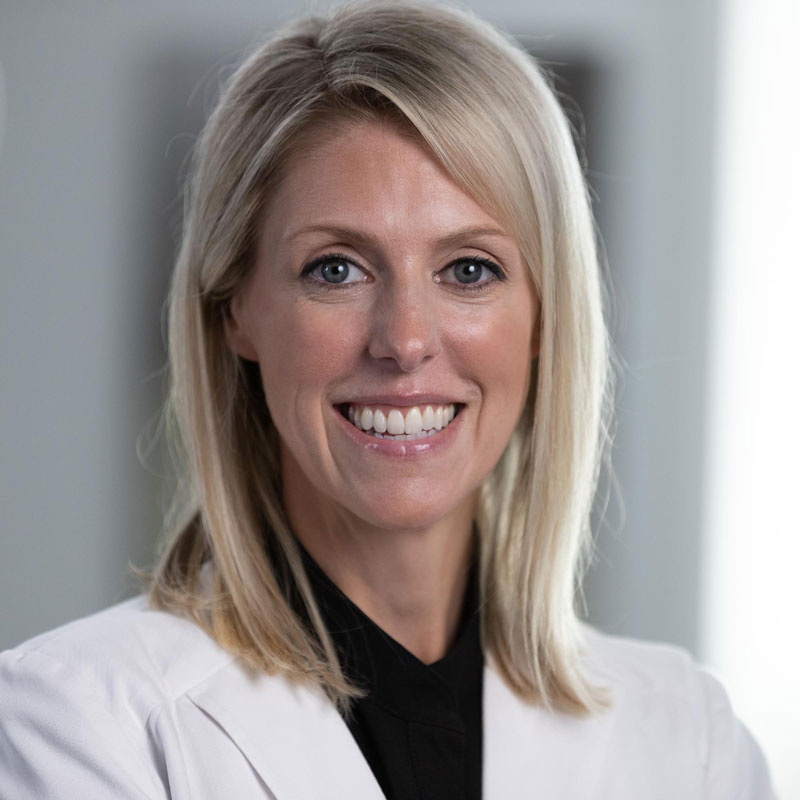
This content is reviewed by Dr. Lauren Anderson, DDS, MS, a board-certified periodontist and Diplomate of the American Academy of Periodontology. At Anderson Periodontal Wellness in Bloomfield Hills, MI, Dr. Anderson specializes in biologic periodontics and minimally invasive gum recession treatment supported by laser therapy, PRF (platelet-rich fibrin), and ozone protocols to enhance healing and long-term tissue stability.
What Is a Free Gingival Graft?
A free gingival graft is a periodontal procedure designed to thicken and strengthen areas of gum tissue that are thin, fragile, or actively receding. Unlike techniques that primarily focus on cosmetic root coverage, a free gingival graft is often performed to create a stable band of attached, keratinized gum tissue. This added thickness helps protect teeth from continued recession and reduces sensitivity associated with exposed roots.
The graft typically consists of tissue harvested from the hard palate, or roof of the mouth, where the tissue is naturally thick and resilient. Because this donor tissue closely resembles healthy attached gingiva, it integrates predictably and provides durable reinforcement once healing is complete. In biologic periodontics, emphasis is placed on preserving blood supply, minimizing trauma, and supporting natural regeneration for long-term stability.
What to Expect During the Free Gingival Graft Procedure
Free gingival grafting requires precise surgical management of the soft tissues. After the area is comfortably anesthetized, Dr. Anderson gently removes a small section of donor tissue, most commonly from the hard palate. The harvested tissue is then carefully shaped and positioned over the area affected by gum recession.
Once placed, the graft is secured with meticulous suturing to ensure stability during healing. Over the following weeks, the graft establishes a new blood supply and bonds with the surrounding gum tissue. As integration occurs, the area develops a thicker, more resilient band of attached tissue that better protects the underlying tooth structure.
When appropriate, minimally invasive dental lasers such as Fotona® or BIOLASE® systems may be used to refine contours or support tissue health during follow-up care. These biologic enhancements help promote efficient healing and a natural-looking result.
Is a Free Gingival Graft Right for Every Patient?
Free gingival grafts are particularly well suited for patients with very thin gum tissue who may not be ideal candidates for techniques such as tunneling. This procedure is often recommended when the primary objective is to increase tissue thickness and create durable protection, rather than to achieve complete cosmetic root coverage.
Patients must also have sufficient donor tissue available at the palate to support grafting. During a comprehensive evaluation, Dr. Anderson assesses tissue biotype, extent of recession, bite forces, airway considerations, and overall periodontal health before recommending this approach.
For appropriately selected patients, free gingival grafting can significantly reduce symptoms associated with advanced recession. Many individuals report decreased sensitivity when eating or drinking hot, cold, or sweet foods once healing is complete. A thorough periodontal assessment ensures that the chosen treatment aligns with both anatomical needs and long-term goals.
How Long Does Healing Take After a Free Gingival Graft?
Healing timelines vary depending on individual biology, systemic health, and adherence to post-operative instructions. In general, most patients experience significant initial healing within approximately two weeks following a free gingival graft. During this period, the graft begins integrating with surrounding tissue and establishing a stable blood supply.
Full maturation of the tissue continues over several weeks to months as collagen remodeling strengthens the grafted area. Following post-operative guidance carefully plays a critical role in success. Gentle oral hygiene techniques, avoiding trauma to the surgical site, and attending scheduled follow-up visits all contribute to predictable healing and long-term stability.
Dr. Anderson provides individualized recovery instructions and may incorporate biologic therapies such as PRF or ozone support when appropriate to enhance regenerative outcomes and reduce inflammation.
Should You Ask a Periodontist About a Gingival Graft?
If you are concerned about thinning gums, persistent sensitivity, or progressive recession, consulting with a board-certified periodontist can provide clarity and reassurance. Dr. Lauren Anderson routinely performs biologic gum recession treatments, including free gingival graft procedures, tailored to each patient’s anatomy and health history.
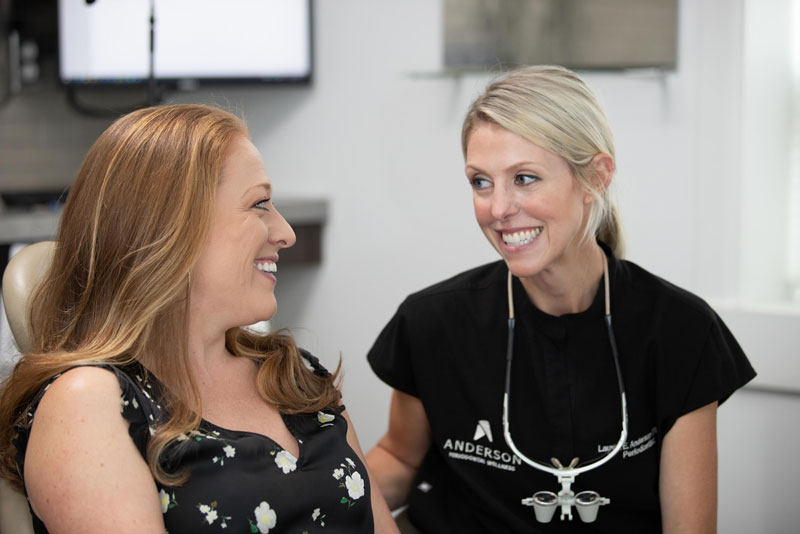
During your consultation at Anderson Periodontal Wellness, Dr. Anderson reviews diagnostic findings, discusses available treatment options, and explains how each approach supports long-term gum stability. Her patient-centered philosophy emphasizes education, surgical precision, and biologic compatibility to achieve lasting results.
To schedule your gum recession consultation in Bloomfield Hills, MI, call (248) 480-4910 or request an appointment online.
Advanced Periodontal Care Focused on Long-Term Results
Dr. Anderson is nationally recognized for her expertise in biologic periodontal therapy and minimally invasive soft tissue management. By combining advanced training with modern technologies such as CBCT imaging, laser-assisted surgery, PRF, and ozone therapy, she delivers individualized care designed for stability and whole-body wellness.
If you are ready to explore long-lasting solutions for healthier, stronger gums, a professional evaluation is the first step toward restoring comfort, confidence, and oral stability.