Your Guide To Tooth Extractions By Troy, MI Intro A tooth extraction is the removal of a tooth from its socket. People seek tooth extractions by Troy, MI for many reasons: severe decay, a cracked tooth, stubborn infection, crowded teeth, or impacted wisdom teeth. This guide explains what to expect during the procedure, how recovery usually goes, and the choices you’ll have for pain control and future tooth replacement. If you’re searching for tooth extractions troy mi, this article will help you understand options and questions to ask.
When Is a Tooth Extraction Necessary?
Extractions are recommended when a tooth can’t be repaired or is harming nearby teeth or overall health. Common reasons include advanced decay that destroys most of the tooth, a tooth broken below the gumline, severe gum disease with loose teeth, spreading infection that threatens your jaw or general health, orthodontic crowding, or impacted wisdom teeth that cause pain or damage. Urgency is based on pain, swelling, fever, and whether infection is moving toward other areas. Your dentist or periodontist will assess risk and timing.
Types of Tooth Extractions
Simple Extractions
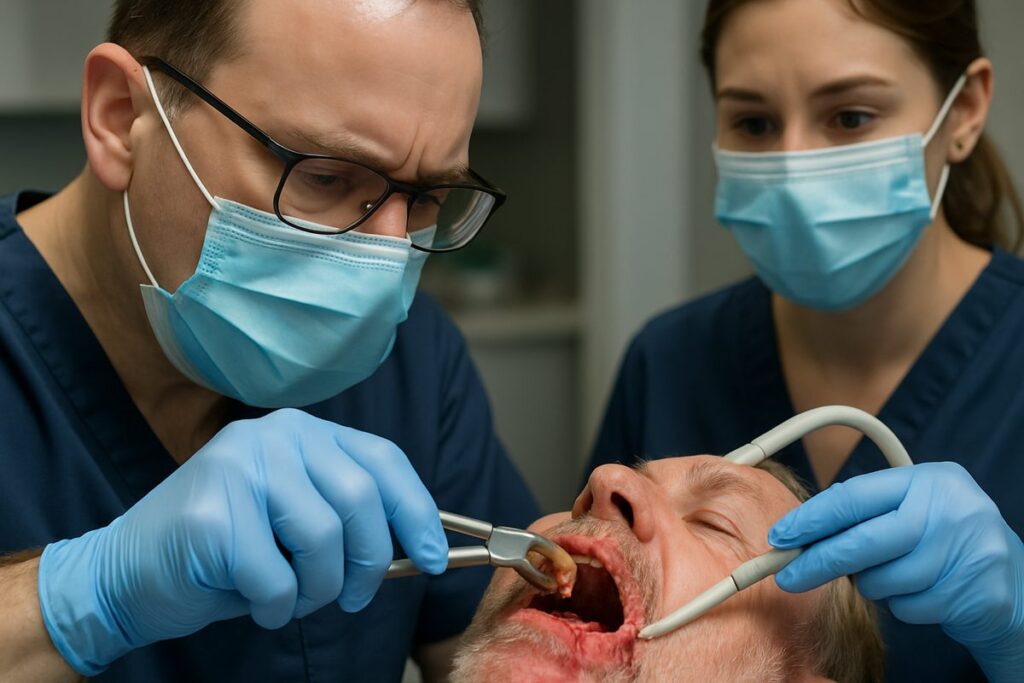
Simple extractions are done on visible teeth with a local anesthetic. The dentist loosens the tooth with special tools and removes it. Most simple extractions take 10–30 minutes, and patients go home the same day.
Surgical/Impacted Extractions
Surgical extractions are needed when a tooth is below the gumline, broken, or impacted. The surgeon may make a small incision, remove bone, or section the tooth for safer removal. These procedures can take longer and may require stitches and additional aftercare.
How We Plan and Diagnose Extractions Near Troy, MI
Accurate imaging matters. CBCT (3D cone beam) scans and digital intraoral scans show tooth roots, bone levels, and nearby nerves. This helps avoid surprises, reduces risk to nerves or sinuses, and guides any grafting or implant planning. Good imaging improves safety and treatment predictability for patients seeking care near Troy, MI.
What Happens During the Procedure
Sedation and anesthesia options include local anesthetic, nitrous oxide (laughing gas), or IV sedation for deeper relaxation. The typical steps are: administer anesthesia, remove the tooth (simple or surgical method), clean the socket, and place graft material or PRF if needed. If stitches are required, they may be dissolvable. Procedures are designed to be as gentle and and minimally invasive as possible.
Reducing Risks & Promoting Faster Healing
Common complications include dry socket (severe pain a few days after extraction), infection, and slow healing. Biologic measures can lower these risks: PRF (platelet-rich fibrin) uses your own blood to speed healing; ozone therapy helps sterilize and calm tissues; lasers decontaminate and reduce bacteria; and conservative bone grafting preserves ridge shape for future restorations. These techniques support faster, safer recovery.
Pain Management & Aftercare Following Tooth Extractions by Troy, MI
Right after surgery, bite on gauze to control bleeding, use ice packs for the first 24 hours, and limit strenuous activity. Take prescribed or over-the-counter pain meds as advised. For 1–2 weeks eat soft foods, avoid smoking or using a straw, and keep the area clean with gentle rinses as directed. Watch for heavy bleeding, rising fever, severe swelling, or persistent numbness—these need urgent care.
Replacement Options After Extraction
Short-term options include temporary partials or “flippers” to fill the gap. Long-term choices are bridges or dental implants. Bridges require healthy adjacent teeth; implants replace the root and preserve bone. For patients seeking biologic-friendly solutions, ceramic dental implants (zirconia) offer a metal-free option that many biologic periodontists prefer. Bone grafting or PRF may be required to support implants or ensure optimal esthetics later.
Conservative Alternatives: Can the Tooth Be Saved?
Not every tooth needs removal. Root canal therapy can save a badly infected but restorable tooth. Periodontal treatments like deep cleaning, laser periodontal therapy, or ozone gum therapy may stabilize a loose tooth. Crown lengthening or repair might avoid extraction. A biologic-focused periodontist will weigh these options before recommending removal.
How to Choose a Provider for Tooth Extractions by Troy, MI
Look for board certification, experience with CBCT and sedation, and use of biologic protocols such as PRF, ozone, and laser therapy. Ask about ceramic implant options if you prefer metal-free restorations. Good questions: What imaging will you use? What are sedation choices? Do you offer biologic healing aids like PRF or ozone? What are replacement options and timelines?
About Anderson Periodontal Wellness
Anderson Periodontal Wellness, led by Dr. Lauren Anderson, DDS, MS, is a Bloomfield Hills practice serving Metro Detroit patients seeking tooth extractions by Troy, MI. Dr. Anderson is a board-certified periodontist focused on biologic periodontistry, minimally invasive surgery, PRF, ozone therapy, laser treatments, and ceramic dental implants. The practice blends technology and biologic protocols to support safe, natural healing.
Next Steps / Call to Action
If you’re considering tooth extractions by Troy, MI, schedule a consultation to review imaging, discuss sedation and biologic options, and plan a personalized recovery strategy. Bring any recent dental X-rays and a list of medications. A careful, biologic-focused approach can help you heal faster and preserve options for replacement when you’re ready.