When you’re facing a periodontal procedure, choosing the right graft material can significantly impact the outcome. Understanding the differences in allograft vs autograft can empower you to make an informed decision, ensuring the best results for your oral health. Discover more about the different gum graft options available.
What is an Allograft?
An allograft involves using tissue from a human donor. These grafts are thoroughly processed to ensure safety and compatibility for the recipient. They offer a convenient solution as they eliminate the need for additional surgical sites, minimizing recovery time. However, some patients may be concerned about using donor tissue despite stringent safety protocols.
What is an Autograft?
An autograft uses tissue harvested from the patient’s own body, often from the roof of the mouth. This method is highly biocompatible, reducing the risk of rejection. Autografts are typically successful due to the body’s familiarity with its own tissue, but they do require a second surgical site, which can extend recovery. Learn more about our periodontal procedures to understand the options available.
Allograft vs Autograft: Choosing the Right Option
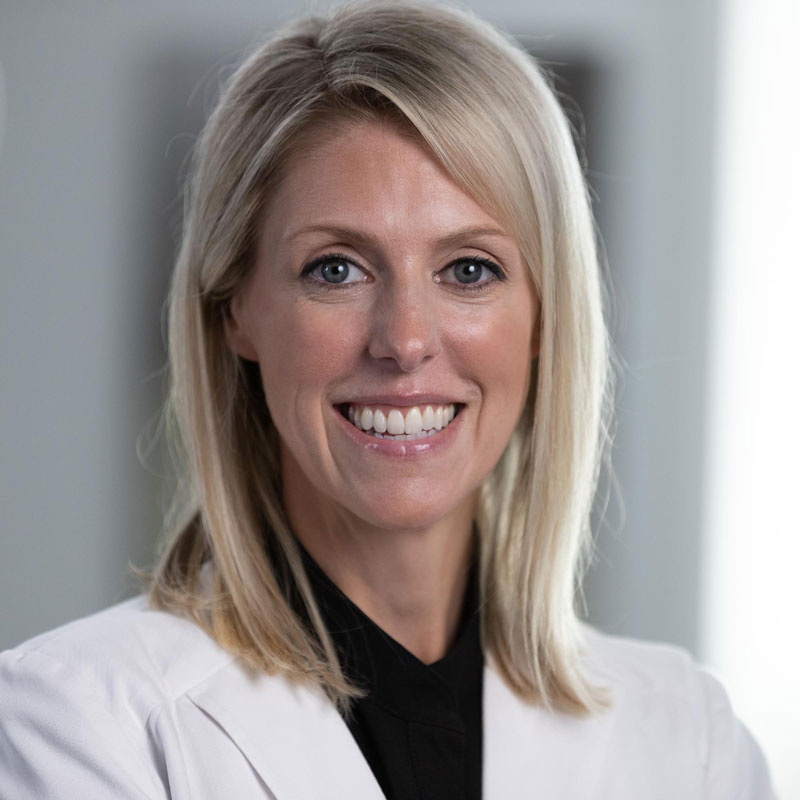
When deciding between an allograft vs autograft, consider factors like recovery time, surgical complexity, and personal comfort with donor tissue. Consulting with your periodontist, such as Dr. Lauren Anderson, can help you weigh the benefits and limitations of each option tailored to your unique situation. Our patient testimonials might provide further insights into personal experiences.
Beyond Autograft and Allograft: Understanding Xenografts
Allograft vs xenograft presents another layer to consider. Xenografts use tissue from a different species, typically bovine. These grafts are highly insulinous for bone regeneration but may not be ideal for all situations. Differences in biological origin mean careful consideration with your periodontist is essential. For visual insights, visit our video blog for more information.
Conclusion
Every patient’s needs are unique, and the choice between allograft vs autograft can have a lasting impact on the success of your periodontal procedure. Schedule a consultation with Dr. Lauren Anderson to explore your options and select the procedure best suited to advance your oral health confidently.