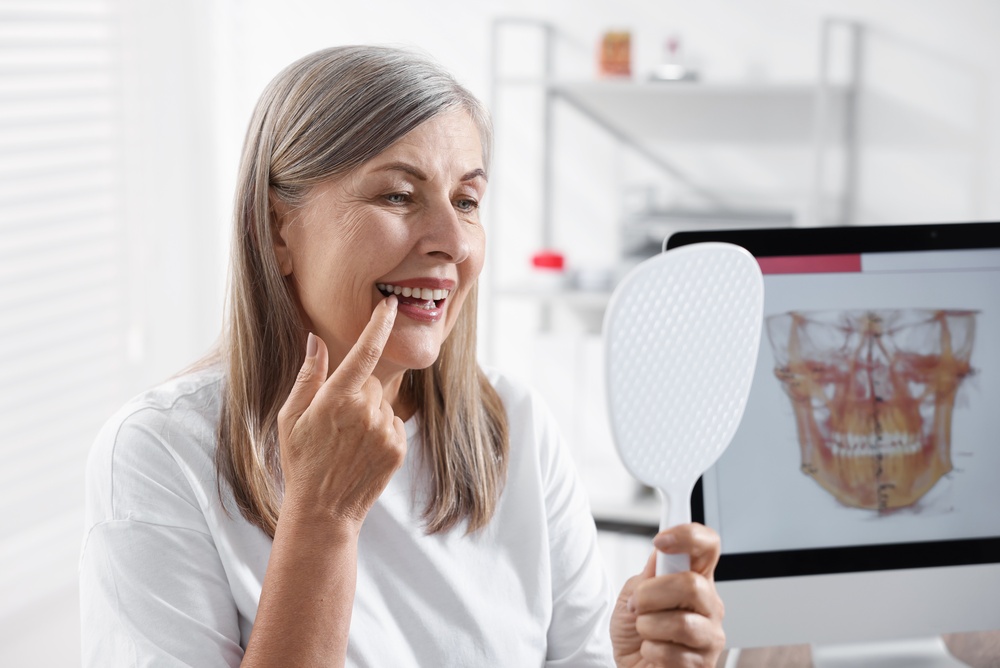
Maintaining optimal oral health is more than just brushing and flossing; it involves understanding the different components of the mouth, including keratinized tissue. At Anderson Periodontics, we emphasize the importance of every part of your oral anatomy and ensure you understand how these elements contribute to your overall health.
What is Keratinized Tissue?
Keratinized tissue in the mouth refers to the tough, protective layer of skin that covers parts of the oral cavity, including the gums around the teeth. This tissue is rich in keratin, a protein that offers strength and resistance against the mechanical stress associated with chewing and other oral functions. Its role is critical in preserving the integrity and health of the gums and underlying bone structures.
Importance of Keratinized Tissue in Oral Health
The presence of keratinized tissue provides a robust barrier against bacteria and is essential for maintaining healthy gums. Healthy keratinized tissue helps prevent issues such as gingivitis and periodontitis, which can develop when harmful bacteria infiltrate less-protected areas.
The Role of Keratinized Tissue in Dental Implants
For individuals considering dental implants, the health of their keratinized tissue is of utmost importance. Sufficient keratinized tissue around the implant site ensures stability and supports the healing process. It also enhances the aesthetic outcome, contributing to a more natural and appealing smile.
Evaluation of Keratinized Tissue
When you visit Dr. Lauren Anderson at our practice, we perform a thorough examination of your oral health, which includes assessing the keratinized tissue. Using advanced diagnostic tools, we can determine the quality and quantity of your keratinized tissue to inform any necessary treatments or adjustments.
Treatment Options for Insufficient Keratinized Tissue
If there’s an identified need for enhanced keratinized tissue, various treatment options are available. Gingival grafting is a common procedure that involves transplanting tissue to areas where it’s deficient, thereby improving oral health and the success rate of dental interventions like implants.
Signs You Might Need to Address Keratinized Tissue Issues
You may require an evaluation of your keratinized tissue if you experience persistent gum tenderness, frequent irritation, or if you are considering restorative dental procedures such as implants. Awareness of these signs can prompt timely professional advice and intervention.
FAQs
-
What does keratinized tissue feel like? Keratinized tissue typically feels firmer and less sensitive compared to the non-keratinized areas of the mouth.
-
Can keratinized tissue regenerate on its own? While minor injuries may heal, substantial loss or deficiency usually requires professional intervention.
-
How does keratinized tissue affect gum disease? Healthy keratinized tissue acts as a barrier to bacterial infections, thus reducing the risk of gum disease.
-
Are grafting procedures painful? Grafting is typically performed with local anesthesia, and patients report minimal discomfort during recovery.
-
When should I visit a periodontist for keratinized tissue issues? If you notice persistent gum irritation or are planning a restorative treatment, scheduling a consultation is advisable.
Conclusion and Call to Action
Understanding the role of keratinized tissue can significantly impact your oral health routine and decisions. At Anderson Periodontics, we’re here to support you with expert advice and comprehensive care. If you have concerns about your gum health or are considering dental implants, contact us to schedule a consultation with Dr. Lauren Anderson today.